
 See Our Latest Article on HelloNation

Anxiety can affect both the mind and the body. People may notice persistent worry, muscle tension, headaches, jaw clenching, shallow breathing, poor sleep, or pain in the neck and back. Chiropractic care may help with some physical symptoms that occur alongside anxiety, but it should not be considered a primary treatment for an anxiety disorder.
The most accurate answer is: chiropractic care may support comfort, movement, and stress-related muscle tension for some people, but evidence does not establish spinal manipulation as a treatment for anxiety itself. Anxiety disorders are generally treated with psychotherapy, medication, or a combination of both. ([nimh.nih.gov](https://www.nimh.nih.gov/health/topics/psychotherapies?utm_source=openai))
How can anxiety affect the body?
Anxiety is more than feeling nervous before an event. An anxiety disorder may involve worry or fear that persists, occurs in multiple situations, or interferes with sleep, work, relationships, or ordinary routines. Physical symptoms can include muscle tension, fatigue, difficulty concentrating, sleep disruption, headaches, stomach problems, sweating, and a racing heartbeat. ([cdc.gov](https://www.cdc.gov/mental-health/living-with/?CDC_AAref_Val=https%3A%2F%2Fwww.cdc.gov%2Fmentalhealth%2Fcope-with-stress%2F&utm_source=openai))
Muscles often remain partially contracted during prolonged stress. Someone may unknowingly raise the shoulders, tighten the jaw, brace the abdomen, or sit rigidly for long periods. Over time, this can contribute to neck soreness, upper-back discomfort, low-back pain, or tension headaches.
For residents in Evans, seasonal conditions may add practical challenges. Cold weather can encourage people to stay indoors, reduce outdoor activity, or spend more time driving and sitting. Snow removal, home maintenance, and repeated lifting can also aggravate existing muscle tension. These factors may worsen discomfort even when anxiety is the underlying reason a person feels continually tense.
What might chiropractic care help with?
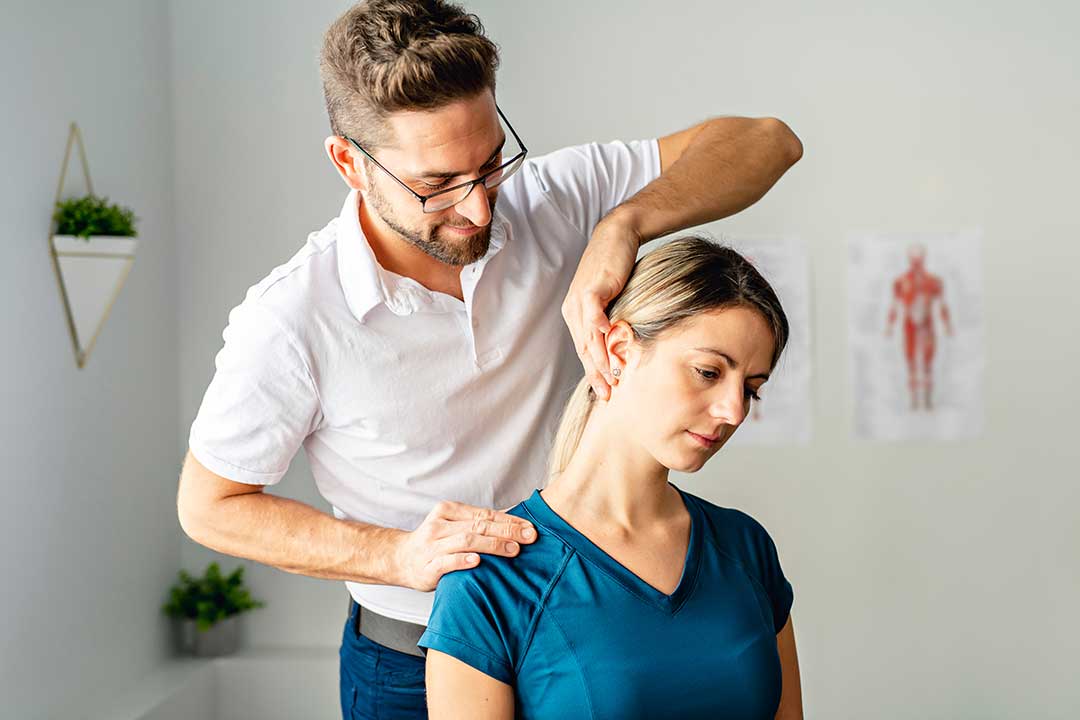
Chiropractic care focuses primarily on musculoskeletal concerns, including certain types of back pain, neck pain, joint stiffness, and movement limitations. If anxiety is contributing to muscle guarding or poor posture, care directed at those physical problems may make movement more comfortable.
Possible benefits may include:
- Reduced discomfort related to muscle tension
- Improved tolerance for normal movement
- Guidance about posture, lifting, or ergonomic habits
- Exercises or mobility strategies that support daily activity
- A structured setting that encourages attention to breathing and body awareness
These effects are different from treating the cause of generalized anxiety, panic disorder, social anxiety, or a phobia. Feeling less pain or physical tension may help someone feel better, but it does not necessarily change the worry patterns, avoidance behaviors, panic symptoms, or intrusive fears associated with an anxiety disorder.
Can spinal adjustments directly reduce anxiety?
There is not enough strong evidence to conclude that spinal adjustments directly treat anxiety disorders. Research on complementary approaches for anxiety is mixed, and evidence for many physical approaches remains limited or inconclusive. ([nccih.nih.gov](https://www.nccih.nih.gov/health/anxiety-and-complementary-health-approaches?utm_source=openai))
Some people report feeling calmer after hands-on care. That response may relate to several factors, such as temporary pain relief, quiet time, focused breathing, therapeutic touch, or reduced muscle guarding. A short-term sense of relaxation is not the same as a proven treatment for the underlying anxiety condition.
Claims that spinal manipulation can correct a chemical imbalance, cure panic attacks, or replace mental-health treatment are not supported by the usual evidence-based treatment guidance. People should be cautious about any approach presented as a universal cure.
What treatments have stronger support for anxiety?
Psychotherapy is a well-established treatment option for anxiety. Cognitive behavioral therapy, often called CBT, helps people recognize unhelpful thought patterns and change behaviors that maintain fear or avoidance. Exposure-based methods may be used for panic, phobias, and related conditions. ([nimh.nih.gov](https://www.nimh.nih.gov/health/topics/psychotherapies?utm_source=openai))
Medication may also be appropriate, depending on the type and severity of symptoms. Health care providers may consider antidepressants such as selective serotonin reuptake inhibitors or serotonin-norepinephrine reuptake inhibitors. Other medications may be used in specific circumstances, with attention to side effects, interactions, and dependence risks. ([nimh.nih.gov](https://www.nimh.nih.gov/health/publications/panic-disorder-when-fear-overwhelms?utm_source=openai))
Supportive habits can complement treatment:
- Regular walking or other suitable physical activity
- Consistent sleep and wake times
- Limiting excess caffeine, especially later in the day
- Slow breathing practices
- Time away from continuous news or social media exposure
- Staying connected with trusted friends or family
These habits may reduce stress or improve coping, but they are not substitutes for evaluation when anxiety is persistent or disabling. ([cdc.gov](https://www.cdc.gov/mental-health/living-with/?CDC_AAref_Val=https%3A%2F%2Fwww.cdc.gov%2Fmentalhealth%2Fcope-with-stress%2F&utm_source=openai))
Is chiropractic care safe for someone with anxiety?
Anxiety alone does not automatically make chiropractic care unsafe. However, a complete health history matters. Some people have medical conditions, osteoporosis, recent injuries, neurological symptoms, bleeding risks, or medication considerations that may affect whether a particular technique is appropriate.
Temporary soreness, stiffness, or a mild increase in discomfort can occur after spinal manipulation. A person should provide an accurate history of symptoms, diagnoses, medications, surgeries, and recent injuries before treatment. Any physical treatment should be modified or stopped if it causes concerning symptoms.
Anxiety can also make hands-on care feel uncomfortable. Clear explanations, consent before each procedure, the ability to pause, and a calm pace can help a person remain in control. Someone who feels panicked, unsafe, or pressured should not continue a technique simply because it has been recommended.
When should anxiety symptoms be medically evaluated?
Persistent anxiety deserves attention when it interferes with sleep, work, driving, family life, exercise, or routine responsibilities. New chest pain, fainting, severe shortness of breath, unexplained weight changes, thyroid symptoms, substance use, or medication changes may require medical evaluation because physical conditions can resemble or worsen anxiety.
A mental-health evaluation is especially appropriate when worry is difficult to control, panic attacks recur, avoidance is expanding, or symptoms continue for weeks. A primary care clinician or qualified mental-health professional can help determine whether the problem is an anxiety disorder, a physical condition, or both. NIMH notes that medical evaluation can help rule out physical causes of symptoms such as mood changes or concentration problems. ([nimh.nih.gov](https://www.nimh.nih.gov/health/topics/psychotherapies?utm_source=openai))
If anxiety includes thoughts of self-harm or suicide, call or text 988 in the United States for immediate crisis support. If there is an immediate danger or medical emergency, call 911.
How can chiropractic care fit into an overall plan?
For some residents, chiropractic care may be a reasonable complementary option for back pain, neck tension, or movement limitations that occur during stressful periods. Its role is best understood as addressing musculoskeletal symptoms, not replacing evidence-based care for anxiety.
A balanced plan may involve physical care for pain, psychotherapy for worry and fear patterns, medication when clinically appropriate, and daily habits that support sleep, movement, and stress regulation. Keeping those roles separate helps people make informed decisions and avoid delaying treatment that directly addresses anxiety.
