
 See Our Latest Article on HelloNation

Sleep position can influence how the spine, neck, hips, and shoulders feel in the morning. There is no single position that works for everyone, but side sleeping and back sleeping usually allow easier support and alignment than stomach sleeping. The most helpful position is the one that lets the body remain comfortable, supported, and relaxed without increasing pain.
For residents of Evans, NY, seasonal changes can also affect sleep comfort. Cold winter temperatures may lead people to use extra blankets, heavier bedding, or a different mattress setup, while warm, humid nights can make it harder to stay in one position. Small adjustments to pillows and support can help maintain comfort throughout the year.
Is side sleeping good for the spine?
Yes. Side sleeping is often a practical choice for people with back or neck discomfort, particularly when the knees and head are properly supported. A pillow between the knees can reduce twisting through the pelvis and lower spine. ([niams.nih.gov](https://www.niams.nih.gov/health-topics/back-pain/diagnosis-treatment-and-steps-to-take?utm_source=openai))
To improve side-sleeping alignment:
- Keep the knees slightly bent rather than tightly curled toward the chest.
- Place a pillow between the knees, extending from the thighs to the lower legs if possible.
- Use a head pillow thick enough to keep the neck level with the rest of the spine.
- Avoid letting the top shoulder collapse forward for long periods.
- If there is a gap between the waist and mattress, a thin towel or small cushion may provide additional comfort.
Some people prefer sleeping on the left or right side because of shoulder, hip, reflux, pregnancy, or breathing concerns. The preferred side is usually the one that feels most comfortable and does not increase symptoms.
How should someone sleep on the back?
Back sleeping can be comfortable when the lower legs are supported. Placing a pillow under the knees slightly bends the hips and knees, which may reduce strain on the lower back. A small rolled towel beneath the natural curve of the neck or lower back can help some people, but too much support may increase discomfort.
A useful back-sleeping setup includes:
- A pillow that supports the head without pushing the chin toward the chest.
- A pillow or folded blanket under the knees.
- Shoulders resting evenly rather than one arm being raised overhead.
- A mattress that allows support without causing the hips to sink excessively.
Back sleeping is not ideal for everyone. People who snore heavily or have known sleep apnea may notice worse breathing when lying flat on the back because the tongue and jaw can narrow the airway. Side sleeping may help reduce airway collapse for some individuals. Persistent loud snoring, gasping during sleep, witnessed pauses in breathing, or significant daytime sleepiness deserve medical evaluation. ([newsnetwork.mayoclinic.org](https://newsnetwork.mayoclinic.org/discussion/mayo-clinic-minute-what-is-the-best-sleeping-position/?utm_source=openai))
Is sleeping on the stomach bad for the spine?
Stomach sleeping is not automatically harmful, but it can be harder to maintain neutral alignment. Turning the head to one side for several hours may place prolonged stress on the neck. The lower back may also arch more, especially if the mattress allows the abdomen and pelvis to sink.
People who cannot comfortably change from stomach sleeping can try reducing strain by:
- Using a thin pillow, or no pillow, under the head.
- Placing a thin pillow under the hips or lower abdomen if the low back feels compressed.
- Alternating the direction the head faces rather than always turning the same way.
- Gradually transitioning to a side-sleeping position with a pillow supporting the chest or between the knees.
If stomach sleeping consistently causes morning neck stiffness, arm tingling, or low-back pain, another position may be worth testing. The National Institute of Arthritis and Musculoskeletal and Skin Diseases generally suggests side sleeping with a pillow between the knees or back sleeping with a pillow under the knees, while avoiding stomach sleeping when possible. ([niams.nih.gov](https://www.niams.nih.gov/health-topics/back-pain/diagnosis-treatment-and-steps-to-take?utm_source=openai))
How can pillows improve spinal alignment?
Pillows should fill the space between the body and mattress without forcing the spine into a bent position. A pillow that is too high can tilt the neck upward during side sleeping. One that is too low can allow the head to drop toward the mattress.
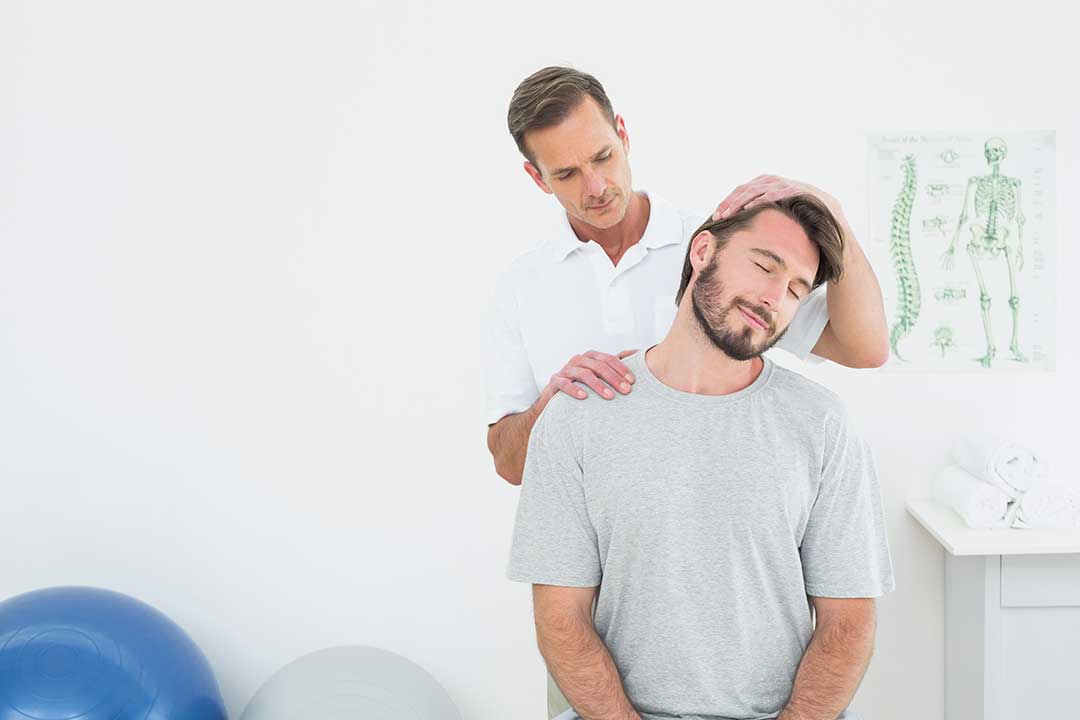
A simple way to assess a pillow is to notice whether the nose stays roughly in line with the center of the chest. If the head is angled sharply up, down, or to one side, the pillow may need adjustment.
Pillow placement matters beyond the head:
- Between the knees for side sleeping.
- Under the knees for back sleeping.
- Under the hips or abdomen for some stomach sleepers.
- Alongside the body for people who need support to avoid rolling into a painful position.
Pillows do not need to be expensive or specially labeled to provide useful support. A folded towel or ordinary pillow can be adjusted gradually to find a comfortable height.
Does a firm mattress protect the spine?
Not necessarily. A mattress that is extremely firm can create pressure at the shoulders and hips, while a very soft mattress may allow the pelvis to sink and twist. The best surface is generally one that supports the body without creating pressure points or a pronounced sag.
Mattress comfort is affected by body size, sleeping position, age of the mattress, and personal preference. If a mattress is old or uneven, rotating it according to the manufacturer’s instructions may help temporarily, but an obvious dip may continue to affect alignment.
A new mattress is not required every time someone experiences back pain. Changes in sleep position, pillow placement, daytime movement, and bedroom temperature may be enough to improve comfort.
What if every sleeping position hurts?
If pain increases in every position, changing positions periodically may be more helpful than trying to hold one “perfect” posture all night. It is normal to move during sleep, and there is no requirement to remain completely still. ([dgft.nhs.uk](https://www.dgft.nhs.uk/pil/acute-low-back-pain/?utm_source=openai))
Try a short, controlled experiment over several nights:
1. Choose side sleeping with a pillow between the knees.
2. Adjust the head pillow so the neck feels level.
3. Record whether symptoms are better, worse, or unchanged upon waking.
4. Test back sleeping with support under the knees on another night.
5. Stop using any position that causes spreading pain, numbness, or worsening symptoms.
Daytime habits also matter. Long periods of sitting, winter shoveling, lifting, driving, or working in awkward positions can contribute to stiffness that is noticed most clearly after sleep. Gentle movement during the day may be more useful than extended bed rest, which is generally not recommended for ordinary back pain. ([mayoclinic.org](https://www.mayoclinic.org/diseases-conditions/back-pain/diagnosis-treatment/drc-20369911?utm_source=openai))
When does nighttime back pain need medical attention?
Sleep-position adjustments are reasonable for mild, familiar stiffness, but certain symptoms should not be managed only by changing pillows. Prompt medical attention is appropriate for back pain accompanied by new leg weakness, loss of bladder or bowel control, numbness around the groin, fever, unexplained weight loss, major trauma, or severe pain that is rapidly worsening.
Persistent pain that repeatedly interrupts sleep, pain extending down an arm or leg, or symptoms that do not improve over several weeks also warrant evaluation. A chiropractor, physician, physical therapist, or other qualified healthcare professional may help determine whether the problem is related to muscles, joints, nerves, discs, sleep breathing, or another condition.
The practical goal is not to force the spine into one rigid position. It is to create enough support that the neck, back, hips, and shoulders can relax while the body naturally changes position during sleep.
