
 See Our Latest Article on HelloNation
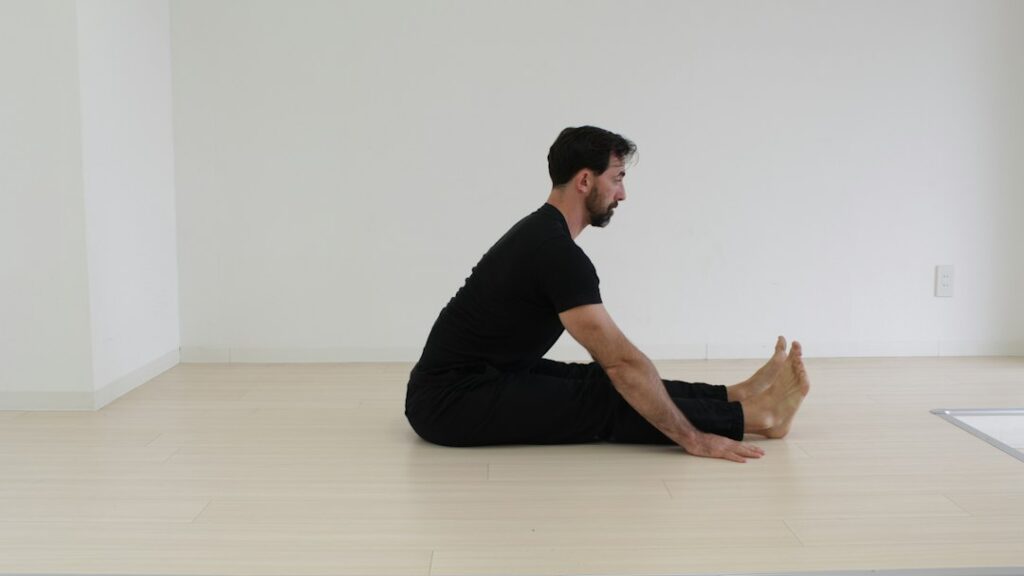
Mobility exercises help joints move comfortably through everyday ranges of motion. Unlike strenuous workouts, they can be short, controlled, and adapted to different fitness levels. For residents of Evans, NY, a simple routine may be especially useful after long periods indoors during cold weather, extended sitting, driving, household projects, or seasonal outdoor work.
Mobility work is not meant to force a joint farther than it naturally wants to go. The goal is steady movement with relaxed breathing and no sharp pain.
What are mobility exercises?
Mobility exercises are controlled movements that maintain or improve how a joint moves. They are different from holding a stretch for a long time and different from strength training, although all three can support physical function.
A mobility exercise may involve:
- Moving the neck slowly from side to side
- Rotating the upper back while seated
- Circling the ankles before walking
- Practicing a controlled squat to a chair
- Moving the hips through a comfortable range
Flexibility refers mainly to how much a muscle or joint can lengthen. Mobility also involves coordination, strength, balance, and control. Someone may be flexible enough to reach a position but lack the control to move into and out of it safely.
How often should these exercises be done?
A short routine can be performed most days, especially after waking, during a work break, or before household activity. Five to ten minutes is enough to begin. Consistency generally matters more than performing a long session once a week.
Mobility exercises can complement regular walking and other physical activity. Federal activity guidance encourages adults to accumulate moderate physical activity throughout the week, along with muscle-strengthening activities on at least two days. Mobility work does not replace aerobic or strengthening exercise, but it can make everyday movement feel more manageable.
The following routine is intended for generally healthy adults. Begin with five repetitions of each movement and gradually work toward eight to ten if the motion remains comfortable.
Which gentle exercises can be done at home?
1. Seated neck turns
Sit upright with both feet supported. Slowly turn the head toward one shoulder, return to center, and then turn toward the other side.
Keep the chin level rather than tipping the head upward or downward. The movement should be slow enough that the neck muscles do not tense.
This exercise may be useful after reading, computer work, phone use, or other tasks that keep the head in one position.
2. Shoulder rolls
Lift the shoulders gently toward the ears, move them backward, and then lower them. Repeat in a smooth circle, then reverse the direction.
Avoid shrugging forcefully. The purpose is to move the shoulders through a comfortable range, not to create a large or rapid motion.
3. Upper-back rotation
Sit near the front of a sturdy chair with the feet flat. Cross the arms over the chest or place the hands lightly on the shoulders. Turn the upper body toward one side without lifting the hips, return to center, and repeat on the other side.
The pelvis should remain mostly forward. This helps focus the movement on the upper back rather than twisting aggressively through the lower back.
4. Cat-cow movement
On hands and knees, place the hands under the shoulders and the knees under the hips. Slowly round the back while allowing the head to follow the spine. Then move toward a gentle arch without dropping the abdomen forcefully.
People with wrist discomfort can perform a similar movement while seated, placing the hands on the thighs and gently rounding and lengthening the back.
This exercise should feel fluid. It is not necessary to reach an extreme position.
5. Hip hinge to a chair
Stand in front of a sturdy chair with the feet about hip-width apart. Push the hips backward as if preparing to sit, keeping the chest open and the knees slightly bent. Lightly touch the chair, then stand by pressing through the feet.
Use the hands on a countertop or table if balance is limited. This movement practices bending through the hips, which can be useful for picking up light objects or rising from a chair.
6. Ankle circles and heel raises
While seated, lift one foot slightly and make slow circles with the ankle. Change direction, then switch sides. Afterward, stand near a stable surface and slowly raise the heels, then lower them.
Ankle movement can be particularly helpful before walking on uneven ground, climbing steps, or beginning outdoor chores. During winter, balance work should be done indoors on a clear, dry surface rather than near slippery entryways.
7. Supported weight shifts
Stand behind a sturdy chair and hold the back lightly. Shift the body weight from one foot to the other without leaning suddenly. Progress by moving slightly forward and backward while keeping both feet in contact with the floor.
This simple drill encourages balance awareness and controlled movement. Older adults or anyone who feels unsteady should keep both hands available for support.

Should mobility exercises hurt?
Mild pulling, stiffness, or muscular effort can be normal. Sharp pain, electric or burning sensations, increasing numbness, unusual weakness, or a feeling that a joint is catching are reasons to stop the movement.
A useful rule is to stay within a comfortable range and avoid bouncing. If symptoms linger or become worse after the routine, reduce the repetitions and range of motion. Persistent or recurring symptoms deserve individualized medical guidance, particularly after an injury or fall.
Urgent evaluation is appropriate for severe pain after trauma, sudden loss of strength, new loss of bladder or bowel control, chest pain, serious shortness of breath, or other sudden concerning symptoms.
How can the routine fit into daily life?
Mobility practice does not require a dedicated exercise room. A clear section of floor, a firm chair, and a nearby countertop may be enough.
Useful times include:
- After getting out of bed, using gentle movements before standing fully
- During a work or television break after sitting for a long period
- Before walking, gardening, shoveling, or other physical tasks
- After traveling by car
- In the evening to reduce the sense of stiffness from the day
During colder months, warming the body first with several minutes of easy walking around the home can make movement more comfortable. In warmer weather, mobility work may fit naturally before or after outdoor activities, but fatigue and heat should still be considered.
What common mistakes should be avoided?
The most common mistake is treating mobility as a test of how far the body can be pushed. A larger movement is not automatically a better movement.
Avoid:
- Holding the breath
- Moving quickly through stiff areas
- Forcing a joint to “crack”
- Exercising directly through sharp pain
- Using a rolling chair or unstable furniture for support
- Assuming a general routine is appropriate after surgery or a significant injury
Slow, repeatable movement is usually more useful than occasional aggressive stretching. A practical routine should leave the body feeling the same or better afterward, not significantly more irritated.
IMAGE_ALT:
Adult performing gentle seated mobility exercises beside a sturdy chair in a bright home.
