
 See Our Latest Article on HelloNation

Arthritis can make ordinary activities—walking on icy surfaces, climbing stairs, opening jars, or working around the house—more difficult. The most useful approach is usually not a single treatment, but a coordinated plan that combines movement, strength, symptom monitoring, joint protection, and appropriate medical care.
For residents of Evans, NY, seasonal changes may also affect routines. Cold weather can encourage people to sit more, while snow removal, yardwork, home maintenance, and uneven outdoor surfaces can place extra strain on painful joints.
What type of arthritis is being managed?
The word “arthritis” describes more than 100 conditions. Osteoarthritis is common in the knees, hips, hands, spine, and other joints, while rheumatoid arthritis, gout, and other inflammatory conditions require different types of evaluation and treatment.
Osteoarthritis commonly causes pain, stiffness, swelling, and reduced movement. It is not simply an unavoidable part of aging, and symptoms can often be managed through physical activity, strengthening, weight management, joint protection, and medical guidance. ([cdc.gov](https://www.cdc.gov/arthritis/osteoarthritis/index.html?utm_source=openai))
A chiropractic evaluation may be most relevant when arthritis is contributing to stiffness, reduced spinal movement, altered walking mechanics, or muscle and joint discomfort around the affected area. It should not replace evaluation for an unexplained swollen joint, suspected inflammatory disease, infection, fracture, or nerve problem.
Can chiropractic care help with arthritis?
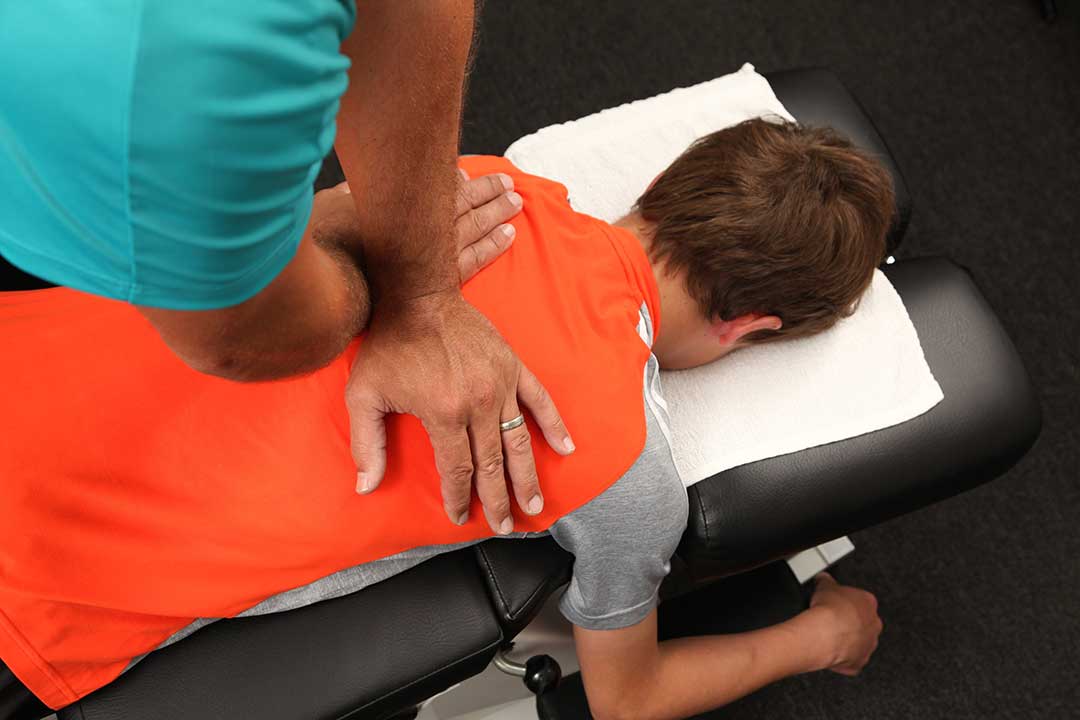
Chiropractic care may help some people manage related stiffness or musculoskeletal pain, particularly when treatment includes exercise advice, mobility work, posture changes, and strategies for daily activities.
The evidence is stronger for some forms of back and neck pain than for changing the underlying joint damage caused by arthritis. Spinal manipulation does not rebuild cartilage or cure arthritis. The goal should be improved movement, better function, and symptom control rather than a promise of reversing the condition. NCCIH describes spinal manipulation as one possible non-drug option for certain low-back-pain cases, while emphasizing that evidence varies by condition. ([nccih.nih.gov](https://www.nccih.nih.gov/health/spinal-manipulation-what-you-need-to-know?utm_source=openai))
A careful plan may include:
- Gentle joint or spinal mobility exercises
- Soft-tissue or manual techniques when appropriate
- Strengthening of muscles that support the painful region
- Advice about lifting, reaching, walking, and prolonged sitting
- A home routine that can be adjusted according to symptoms
Forceful treatment may not be appropriate for every person. A history of osteoporosis, recent injury, spinal surgery, blood-thinning medication, significant nerve symptoms, or inflammatory disease should be discussed before any hands-on treatment.
What movements are safest to start with?
Regular, joint-friendly activity usually helps arthritis pain and function rather than making the condition worse. Adults with arthritis can begin with short periods of activity and build gradually. Walking, cycling, water exercise, tai chi, light gardening, and low-impact strengthening are commonly used options. ([cdc.gov](https://www.cdc.gov/arthritis/prevention/index.html?utm_source=openai))
A practical starting routine might include:
- Five to ten minutes of easy walking or gentle movement
- Range-of-motion exercises for the affected joint
- Sit-to-stand practice from a stable chair
- Light resistance-band exercises
- A brief cool-down afterward
Residents who spend part of the year doing snow removal, home repairs, or outdoor maintenance should break demanding tasks into smaller intervals. Alternating hands, avoiding prolonged kneeling, using stable footwear, and taking rest breaks may reduce aggravation.
Mild temporary soreness can occur when activity changes, but sharp, constant, or progressively worsening pain is a reason to stop and reassess. Pain that causes limping, lasts more than two hours after exercise, or occurs with marked swelling, redness, heat, or nighttime worsening deserves medical attention. ([archive.cdc.gov](https://archive.cdc.gov/www_cdc_gov/arthritis/basics/physical-activity/pain.html?utm_source=openai))
Should heat or cold be used?
Heat is often useful for stiffness before movement. A warm shower, heating pad on a low setting, or warm compress may help muscles relax and improve comfort. Cold may be more helpful after activity when a joint feels irritated or swollen.
Use a cloth barrier between the skin and the heat or cold source. Short applications are generally safer than leaving a device on for a long period, especially while sleeping. People with reduced sensation, circulation problems, or difficulty recognizing skin injury should ask a medical clinician before using these methods.
Heat and cold can reduce symptoms, but they do not treat the cause of arthritis. NIAMS identifies both approaches as useful tools for reducing pain, with heat often supporting flexibility and cold helping numb painful tissues or reduce inflammation. ([niams.nih.gov](https://www.niams.nih.gov/health-topics/osteoarthritis/diagnosis-treatment-and-steps-to-take?utm_source=openai))
How can daily habits protect painful joints?
Joint protection means changing how an activity is performed so the painful area does less work. This does not mean avoiding movement altogether.
Helpful adjustments include:
- Carrying lighter loads with both hands
- Using a cart or wheeled container instead of lifting heavy items
- Keeping frequently used objects between waist and shoulder height
- Taking breaks before pain becomes severe
- Using supportive footwear on hard or uneven surfaces
- Avoiding repeated deep bending when a raised work surface is available
- Using a cane or other assistive device only after receiving guidance on proper fit and use
Weight management may also reduce stress on weight-bearing joints such as the knees and hips. Even modest weight loss can improve pain and physical function for adults who have overweight or obesity. ([cdc.gov](https://cdc.gov/arthritis/caring/index.html?utm_source=openai))
When is arthritis pain a reason to seek medical evaluation?
Not every painful joint is osteoarthritis. Medical evaluation is especially important when symptoms appear suddenly, involve substantial swelling, or affect several joints.
Prompt attention is warranted for:
- A joint that is hot, red, and very swollen
- Fever or feeling acutely ill with joint pain
- New weakness, numbness, or loss of coordination
- Inability to bear weight after an injury
- Unexplained weight loss or severe fatigue
- Pain that repeatedly wakes someone at night
- Morning stiffness that lasts a long time or affects multiple joints
- Symptoms that continue to worsen despite rest and activity changes
These patterns may point to inflammatory arthritis, infection, fracture, nerve involvement, or another condition requiring diagnosis. Arthritis treatment may involve a primary care clinician, rheumatologist, physical therapist, occupational therapist, or other professionals depending on the symptoms.
What should a realistic arthritis plan include?
A useful plan identifies the affected joints, the activities that trigger symptoms, and the movements that improve function. Keeping a short symptom record can reveal patterns related to walking distance, weather exposure, household work, sleep, or prolonged sitting.
The most sustainable approach is usually gradual: move regularly, strengthen the muscles that support the joints, protect painful areas during demanding tasks, use heat or cold appropriately, and seek evaluation when symptoms do not fit a typical pattern. Chiropractic care may be one part of that plan for selected musculoskeletal complaints, but arthritis is best managed through coordinated, condition-specific care rather than relying on spinal manipulation alone.
