
 See Our Latest Article on HelloNation

What Is a Subluxation?
A subluxation is a term used to describe a slight misalignment or abnormal movement of the vertebrae in the spine. This differs from a full dislocation, where bones are completely out of place. In practical terms, a subluxation means a spinal joint isn’t working as smoothly as it should, which can influence nerve function and overall movement.
Locally, people in Evans, NY often encounter subluxations as a result of everyday activities: shoveling heavy snow, slips on icy sidewalks, frequent gardening, or carrying heavy items around the home. Minor accidents or repetitive motions are common sources of spinal stress in the area.
Why Does a Spinal Misalignment Matter?
A subluxation may interrupt the normal communication between the brain and the rest of the body. This disruption happens because nerves exiting the spinal cord can be affected by misalignment or abnormal spinal motion. Even a small change in vertebral position can cause:
- Localized pain or stiffness
- Reduced mobility, making it harder to bend or twist
- Muscle tension or spasms
- Numbness, tingling, or referred pain in other body parts
In some cases, people don’t notice immediate pain, but may instead feel general discomfort or less flexibility when doing household chores, yardwork, or seasonal outdoor activities.
How Do Subluxations Occur in Everyday Life?
Subluxations can result from both major events and small, repeated stresses. In Evans, residents frequently deal with factors like:
- Slips and falls on icy driveways or sidewalks during winter months
- Lifting snow shovels, garden tools, or heavy bags improperly
- Poor posture at workstations—especially during long stretches of remote work
- Repeated lifting or twisting tasks, such as stacking firewood
- Sports injuries or abrupt movement while playing with kids
Children and adults alike can experience spinal misalignments. Wearing heavy backpacks to school, playing on uneven ground, or frequent jumping can sometimes result in minor spinal changes for kids in the community.
What Are Common Signs and Symptoms?
A subluxation doesn’t always cause sharp pain. Symptoms are sometimes subtle, which means residents may overlook the underlying cause. Signs may include:
- Stiffness or achiness in the neck or back
- Headaches that seem related to activity or posture
- Reduced ability to turn the head or low back
- Ongoing muscle tightness or fatigue
- Sensations of numbness or tingling in the limbs
- A sense that “something is out of place”
It’s not unusual for people in the city to notice these issues worsen after long hours of snow removal, raking, or sitting for prolonged periods during winter.
Are There Risks If a Subluxation Is Ignored?
Ignoring minor spinal misalignments over time can cause ongoing muscular tension, decreased range of motion, and altered movement patterns. These can lead to:
- Increased risk of future injury from falls or improper lifting
- Development of chronic soreness or headaches
- Less enjoyment of routine outdoor tasks and recreation
- Gradual changes in posture
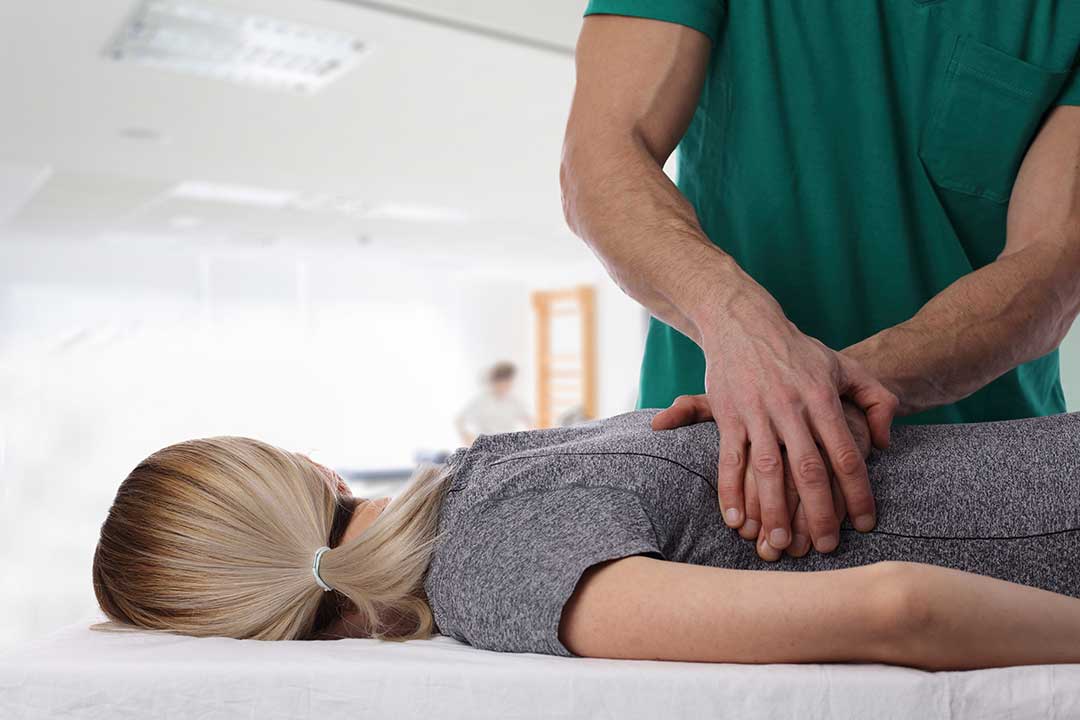
In situations where discomfort interferes with sleep, daily work, or physical activity, it’s important for local residents to be aware that their spine and nervous system may need some attention.
How Are Subluxations Typically Identified?
Health professionals use several tools to evaluate possible subluxations, including:
- Detailed medical history, including lifestyle and daily activities
- Physical examination to assess posture, range of motion, and tender points
- Manual assessment of spinal mobility and alignment
It’s not uncommon in this region for individuals to seek evaluation after a fall on ice, minor car accident, or because persistent tension hasn’t resolved with rest or self-care.
Misconceptions About Subluxations
A few common misunderstandings persist about this condition:
- Not all back pain is caused by subluxations. Other medical conditions or injuries can mimic similar symptoms.
- Kids and teenagers are not “immune” to spinal issues. Play, sports, and backpacks can all have an impact.
- Symptoms may improve on their own, but some changes can linger or recur. Especially if daily activities or posture habits don’t change.
Understanding the difference between occasional discomfort and persistent spinal misalignment can help city residents take proactive steps for musculoskeletal health.
Everyday Practices That Support Spinal Health
While not every misalignment can be fully prevented, some habits may lower risk:
- Use safe lifting techniques, especially with heavy winter or gardening equipment
- Practice regular stretching and strengthening exercises
- Take breaks from repetitive work or long hours at the computer
- Ensure home and workspaces are ergonomically supportive
- Stay active with activities suited to each season, such as walking or swimming
For those outdoors during icy months, sturdy footwear and cautious movement are practical ways to prevent slips that may contribute to spinal strain.
