
 See Our Latest Article on HelloNation
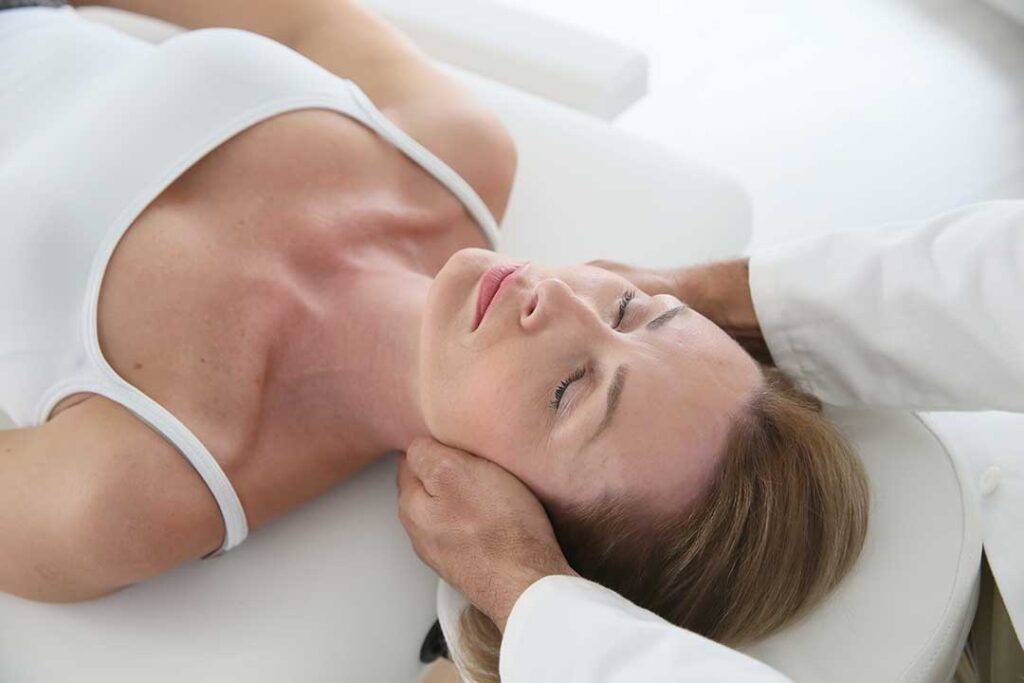
How Can Jaw Pain Be Related to Spinal Alignment?
Jaw pain is not always an isolated problem. In Evans, NY, area residents often experience discomfort in the jaw (commonly referred to as TMJ or temporomandibular joint pain) that may actually originate from or be closely linked to the health of the spine. The connection is due to the ways nerves and muscles interact throughout the head, neck, and back.
The jaw’s movement is controlled by a network of muscles and nerves that are influenced by posture, spinal alignment, and daily activities. Misalignments or muscular tension in the neck and upper spine can stress the jaw joint, leading to pain, clicking, or restricted movement. This interplay makes it important to view jaw discomfort in the broader context of whole-body wellness.
Why Does Neck or Back Posture Affect the Jaw?
Poor posture, especially of the head and neck, can shift how the jaw opens and closes, sometimes causing or worsening pain.
- Slouching or forward head posture—common with increased computer or phone use—puts extra strain on the muscles supporting the jaw and spine.
- The neck (cervical spine) stabilizes the skull, and tension here can radiate to the jaw muscles.
- Local residents who spend long hours reading, working at a desk, or shoveling snow may unconsciously hold their head forward, making jaw tension more likely.
Correct spinal alignment means less tension or pressure on the nerves and muscles connecting the head, neck, and jaw. Even small, chronic posture issues can trigger discomfort over time.
Can Jaw Problems Cause Symptoms Elsewhere in the Body?
Yes. The jaw joint lies close to many nerves responsible for facial sensation and head movement. When the jaw is sore, stiff, or out of alignment, pain sometimes spreads to neighboring regions.
Common interconnected symptoms include:
- Headaches (especially around the temples or behind the eyes)
- Earaches or a feeling of fullness in the ears
- Neck pain or stiffness
- Shoulder tension
This overlapping pain pattern can make it challenging for community members to identify where the symptoms truly start. For some, working to improve spinal posture and alignment can lessen not only jaw pain but headaches and neck discomfort as well.
What Everyday Factors in Evans Influence Jaw and Spine Health?
Local lifestyle factors play a real role in jaw and spinal health:
- Cold weather: In the winter, tensing up against the cold or slipping on ice can strain neck and jaw muscles.
- Heavy snow shoveling: Improper lifting and bracing can lead to posture problems, increasing jaw tension.
- Long drives: Whether commuting to Buffalo or running errands, extended time in the car can strain posture.
- Home workstations: Many area households set up makeshift workspaces or craft areas, sometimes leading to less-than-ideal posture for the head and back.
Residents who notice more jaw pain in certain seasons or after specific activities are likely feeling the effects of these patterns on the whole body—jaw included.
What Are Common Misconceptions About Jaw Pain and the Spine?
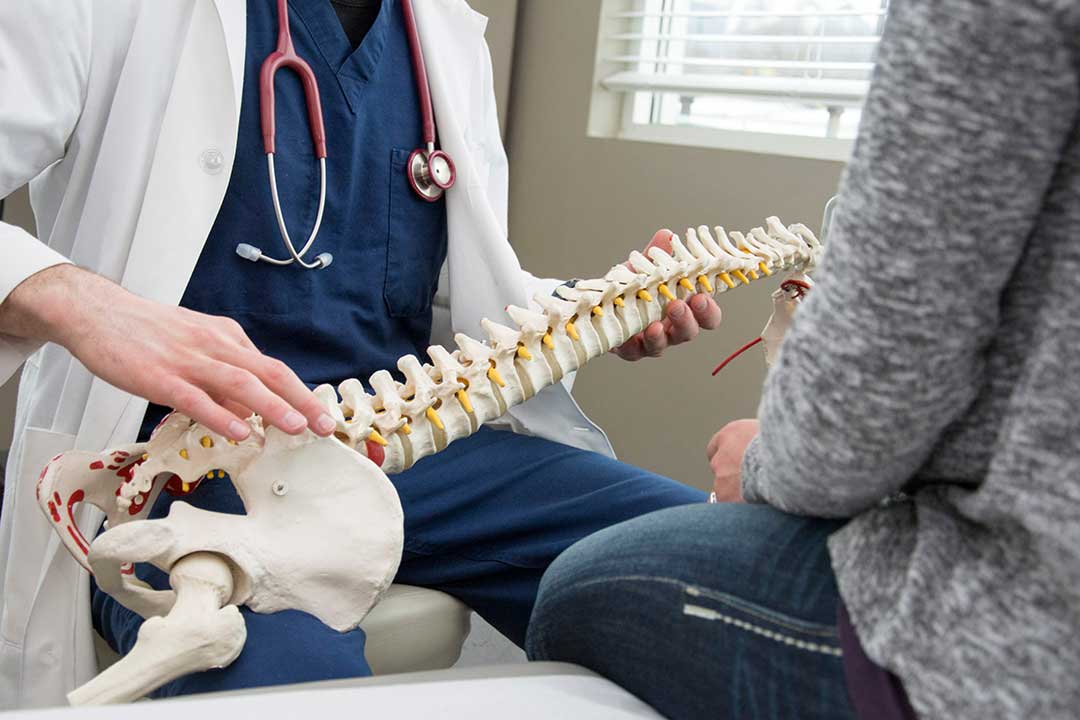
A frequent misconception is that jaw pain must come from dental issues alone, or that spinal misalignment only affects the back. In reality:
- Misalignment in the upper neck can strain the jaw, even in people with no tooth problems.
- Jaw tension is not always caused by stress—posture and everyday habits play a large role.
- Treating only one area (like just the teeth) may not resolve pain if the real source is higher up the spine.
Understanding these points can help residents make informed choices about self-care and when to look deeper for the cause of their discomfort.
What Can Residents Do to Support Both Jaw and Spinal Comfort?
Preventing or easing pain often means addressing daily habits and body mechanics:
- Practice good posture whether seated, standing, or shoveling snow.
- Use supportive pillows to keep the neck aligned during sleep.
- Take breaks from screens or reading to gently stretch the neck and jaw.
- If jaw pain is persistent or is accompanied by neck or back pain, consider simple lifestyle changes to reduce muscle tension.
Simple actions like monitoring posture during winter activities or household chores can make a long-term difference.
When Should You Seek Further Help?
While many cases of jaw and neck pain improve with self-care and posture adjustments, symptoms such as prolonged jaw locking, severe headaches, neck injuries, or numbness may indicate a need for thorough professional evaluation for safety.
Most residents will find that understanding the whole-body connection between the jaw and spine empowers them to take practical, everyday steps for comfort, especially given the climate and routines unique to the city.
